
Key Takeaways
- Commercial electricity rates in Singapore can fluctuate due to factors beyond simple consumption, creating hidden cost risks for businesses.
- Renewable energy provides a way to stabilise energy expenses and reduce exposure to market volatility.
- Understanding cost drivers such as fuel pricing, peak demand charges, and contract structures is critical for accurate budgeting.
- Businesses that integrate renewable energy solutions can better manage long-term operational costs and reduce pricing uncertainty.
Introduction
Businesses often assume that commercial electricity rates in Singapore are predictable as long as usage remains consistent. In reality, electricity pricing is influenced by multiple external variables, many of which are not immediately visible in standard billing summaries. These hidden cost risks can disrupt financial planning, especially for organisations with tight operating margins or energy-intensive processes. Since energy markets continue to evolve, renewable energy is increasingly used as a strategic tool to mitigate these risks rather than simply as a sustainability initiative. Comprehending where hidden costs arise is the first step towards managing them effectively.
1. Fuel Price Volatility Passed Through to Tariffs
One of the most significant hidden risks in commercial electricity rates is the indirect impact of global fuel price fluctuations. A large portion of electricity generation still depends on imported natural gas, meaning that any shift in international fuel markets can be passed through to commercial tariffs. These changes are not always immediately visible but can appear as gradual increases in electricity bills over time, even when consumption patterns remain unchanged.
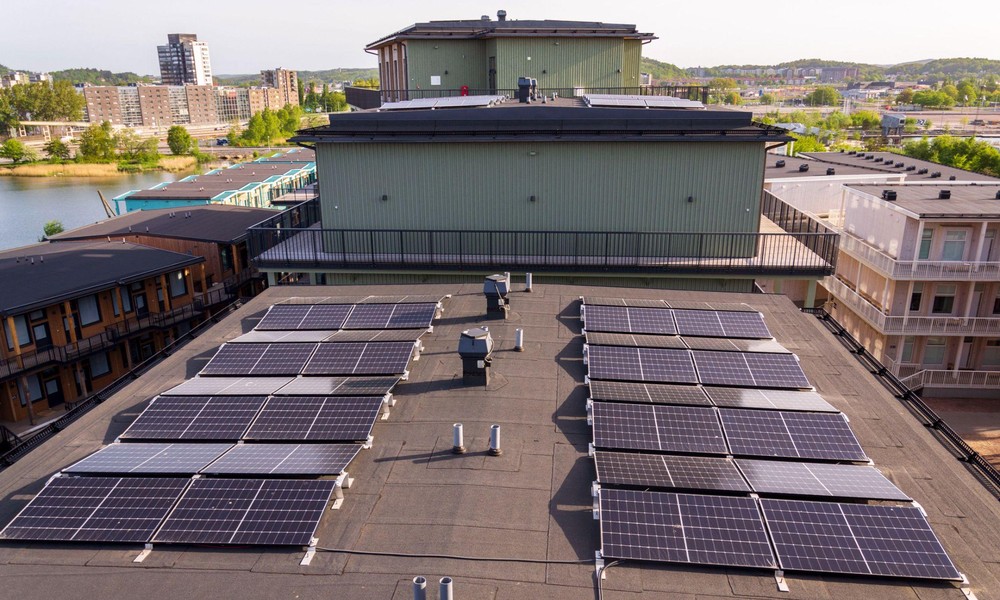
This instance creates uncertainty for businesses attempting to forecast energy expenses over quarterly or annual cycles. Budget projections can quickly become inaccurate when fuel prices spike due to geopolitical events or supply constraints. Renewable energy, particularly solar-based solutions, reduces reliance on fuel-linked pricing mechanisms. Businesses can insulate a portion of their electricity costs from global market volatility by incorporating renewable sources into their energy mix, resulting in more stable and predictable expenditure.
2. Peak Demand Charges and Load Profile Penalties
Another often overlooked cost driver lies in how electricity usage is distributed throughout the day. Commercial electricity rates are not solely determined by total consumption but also by peak demand levels. Businesses that draw high amounts of power during peak periods may face higher charges or less favourable tariff structures, even if their overall energy usage is moderate.
This risk is particularly relevant for industries with concentrated operational hours, such as manufacturing or data processing. Sudden spikes in demand can lead to disproportionate increases in costs, making it difficult to control electricity spending through basic efficiency measures alone. Renewable energy in Singapore can help address this issue by offsetting daytime demand, especially through solar generation that aligns with peak business hours.
Once renewable systems are integrated with energy management strategies, businesses can flatten their load profiles and reduce exposure to peak demand charges. This approach not only lowers immediate costs but also improves negotiating power when entering or renewing electricity contracts.
3. Contract Structure and Pricing Mechanism Risks
Electricity contracts often include complex pricing mechanisms that are not fully understood at the point of agreement. Fixed-rate plans may appear stable but can lock businesses into higher rates if market prices fall, while variable-rate plans expose companies to sudden increases during periods of high demand or supply constraints. These structural risks are embedded within commercial electricity rates and can significantly affect long-term cost efficiency.
Many businesses focus primarily on headline rates without evaluating clauses related to pass-through costs, adjustment formulas, or contract duration. Due to this, they may face unexpected charges or limited flexibility when market conditions change. Renewable energy offers an alternative layer of control by reducing dependence on external suppliers and contractual pricing structures.
For example, on-site generation or long-term renewable agreements can provide more transparent and predictable cost frameworks. This approach allows businesses to balance their exposure between grid-based electricity and self-generated or contracted renewable sources, improving overall cost management.
Conclusion
Hidden cost risks in commercial electricity rates in Singapore often stem from factors that are not immediately visible, including fuel price volatility, peak demand patterns, and contract structures. These risks can undermine financial planning and lead to inconsistent operating costs. Renewable energy provides a practical solution by offering greater price stability, reducing exposure to external market forces, and improving control over energy usage patterns. Businesses that take a proactive approach to understanding and addressing these risks are better positioned to manage costs effectively and maintain long-term operational resilience.
Contact Flo Energy Singapore and stop letting unpredictable commercial electricity rates dictate your business costs.