

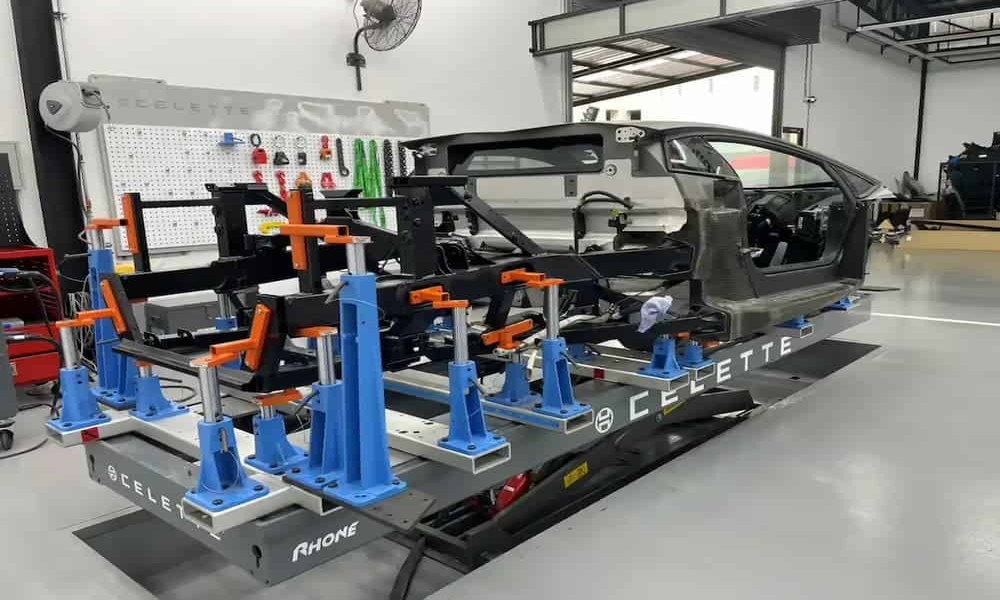
Vehicle repairs face tighter tolerances than ever before. Modern structures rely on exact measurements for safety performance. Even slight dimensional errors create fitment concerns later. Repair centers now depend on advanced measuring technology. Through accurate structural correction, OEM-approved systems help restore factory specifications. Shops seeking reliable solutions often work with a trusted collision repair equipment usa supplier for equipment matching current vehicle requirements.
How Do OEM-Approved Frame Machines Deliver Better Results?
Every structural repair begins with accurate measurements. A frame machine establishes reference points before pulling starts. Without reliable data, correction decisions become difficult. Factory-approved systems remove much of that uncertainty. When technicians follow manufacturer procedures, repaired vehicles return closer to original specifications. As a result, panel alignment, suspension positioning, and steering geometry remain within acceptable limits.
Why Precision Matters Beyond Visible Damage
Exterior dents attract immediate attention after collisions. Hidden distortion creates larger concerns beneath body panels. A shifted rail may affect sensor positioning later. Airbag deployment calculations depend upon correct structural relationships. Consider a crossover vehicle receiving moderate front-end repairs. Improper dimensional recovery could complicate calibration procedures afterward.
Important areas influenced by structural accuracy include:
- Wheel alignment consistency
- Sensor mounting locations
- Door gap uniformity
- Steering response quality
- Tire wear patterns
What Features Separate Modern Frame Systems?
Technology transformed structural correction equipment considerably. Older setups relied heavily upon visual judgment alone. Today’s platforms combine measurement software with controlled pulling. Through continuous feedback, technicians track movement throughout repairs.
Key capabilities often include:
- Real-time dimensional tracking
- Manufacturer repair database access
- Multi-point pulling flexibility
Within busy facilities, a dependable collision repair equipment usa supplier often provides training resources alongside equipment purchases. Knowledge transfer improves machine utilization across repair teams.
Choosing Equipment for Future Vehicle Designs
Automakers continue introducing mixed-material construction methods. Aluminum sections now appear beside high-strength steel components. Repair procedures vary according to material characteristics. Equipment selection therefore requires careful evaluation.
Decision factors include:
- Vehicle coverage range
- Measurement system accuracy
- Software update availability
- Technical assistance access
A repair center handling diverse vehicle categories benefits from adaptable platforms. Long-term value often comes from compatibility rather than purchase price alone.
Accuracy Creates Confidence Throughout the Repair Process
Structural correction influences every repair stage afterward. Panel installation becomes easier when dimensions match specifications. Calibration procedures proceed with fewer complications. Customer confidence strengthens when vehicles drive as expected. Repair documentation gains credibility through verified measurements. Small dimensional differences may appear insignificant initially, yet they often shape final repair quality.
A Foundation Built Before Paint Application
Fresh paint attracts attention during vehicle delivery. Hidden measurements determine repair success long before refinishing begins. When frame dimensions align with manufacturer targets, suspension angles, sensor locations, and body fitment work together properly. That relationship explains why advanced measuring technology remains one of the most valuable investments inside a modern collision facility.
FAQsAre OEM-approved frame machines necessary for newer vehicles?
Newer models contain advanced safety systems requiring precise positioning. Accurate structural correction helps maintain manufacturer repair standards.
Can frame misalignment affect vehicle performance?
Yes. Steering feel, tire wear, suspension operation, and sensor calibration may suffer when dimensions remain outside specifications.
What makes OEM-approved equipment different?
Manufacturer-approved systems align with documented repair procedures and provide measurement data matching factory standards.
Do frame machines help reduce repair delays?
Accurate measurements help technicians identify structural issues earlier, reducing rework during later repair stages.


