

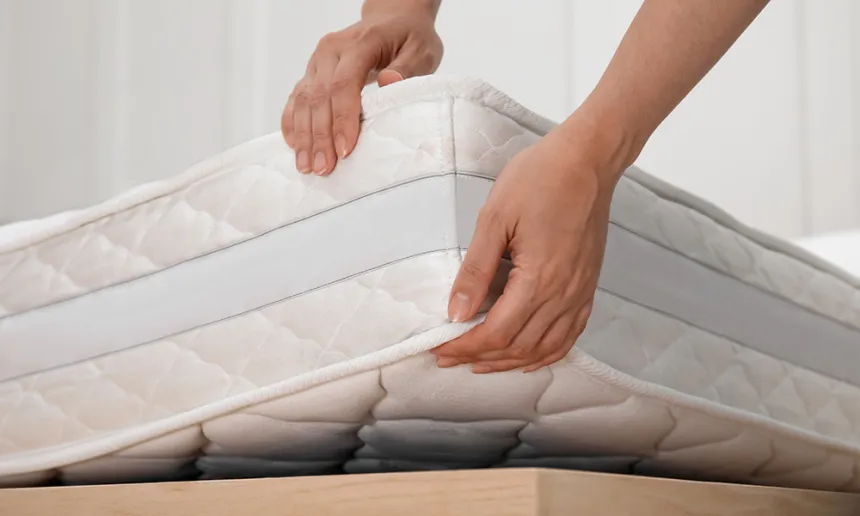
Landfills are brimming with bulky, forgotten mattresses. Each one is a silent testament to a throwaway culture that few recognize as an environmental problem until the evidence piles up, literally. Sustainable mattress recycling stands out not just as an alternative, but as a premium solution that addresses deep-rooted ecological, social, and economic challenges.
The Hidden Environmental Costs of Discarding Mattresses
Why Landfills Aren’t a Sustainable Solution
It is easy to underestimate the environmental footprint of discarding a mattress. Most are built from a complex mix of steel, foam, fabric, and wood, making them stubbornly resistant to breakdown. Once in landfills, mattresses do not just take up valuable space. Their materials can leach chemicals into the soil and groundwater. As landfill capacity dwindles in cities across Canada and beyond, the urgent need for alternatives becomes impossible to ignore.
The Long Decomposition Timeline and Its Impact
A mattress can linger for up to 100 years before fully disintegrating. During this time, it serves no purpose and threatens future generations with avoidable pollution. When multiplied by the hundreds of thousands discarded annually, the environmental cost is staggering.
Myth 1: Mattresses Are Too Complex to Recycle Effectively
Understanding Mattress Components and Their Recyclability
Skeptics claim mattresses are “unrecyclable” due to their layered materials. In reality, nearly every part can be recovered. Steel springs become new metal products. Foam and fibers can be repurposed for insulation or carpet underlay. Even wood frames can be chipped for mulch or biomass energy.
How Innovative Technologies Enable High-Volume Processing
The challenge is scale. This is where companies like canadian mattress recycling company Recyc-Matelas have made transformational progress. By developing specialized machinery and processes, they dismantle and sort thousands of mattresses efficiently, proving that complexity is no longer a barrier.
Myth 2: Mattress Recycling Doesn’t Make a Significant Environmental Difference
Quantifying Waste Diversion: Case Studies from Quebec, Ontario, France, and Belgium
In Quebec and Ontario alone, more than 400,000 mattresses and box springs are recycled each year. France boasts an annual tally of over one million units. These numbers mean millions of kilograms of steel, foam, and fabric are returned to the manufacturing cycle instead of rotting in dumps.
Zero Waste: How Recycling Prevents Landfill Overflow
The impact is crystal clear. Not a single mattress processed by these programs ends up in a landfill. That is true zero waste in action, easing pressure on landfills already stretched to their limits.
Myth 3: Mattress Recycling Is Not Scalable for Large Municipalities
Recyc-Mattress’s Unique Model for Serving Big Cities
Big cities generate big waste, but they also offer the opportunity for big solutions. Recyc-Mattress, born in Quebec and now established in Ontario, France, and Belgium, has built a high-volume operation tailored for urban demands. Six branches work in concert, responding to the needs of both local governments and private citizens.
Overcoming Capacity Challenges with Advanced Dismantling Techniques
Advanced dismantling techniques allow this model to keep up with volume, ensuring that as the population grows, recycling capacity grows with it, rather than falling behind.
Myth 4: There Are No Job Creation or Social Benefits from Mattress Recycling
Sustainable Employment Through Inclusive Hiring Practices
Mattress recycling’s benefits are not just environmental. Recyc-Mattress was founded with a core commitment to social inclusion, creating sustainable jobs for people with intellectual disabilities. This approach doesn’t just fill positions; it transforms lives and strengthens communities.
Social Reintegration and Quality of Life Improvements
Through full-time employment and on-the-job support, workers gain financial independence and a stronger sense of belonging, rippling out into their families and neighborhoods.
Myth 5: Mattress Recycling Is Expensive and Inefficient
Cost-Effectiveness Through Innovation and Volume Processing
Innovation is the antidote to inefficiency. By investing in smart technology and scaling up, costs per unit decrease, making recycling not just feasible, but cost-competitive with traditional disposal.
Environmental Savings vs. Economic Investment
The economic equation is compelling: the savings gained from diverting waste, protecting natural resources, and reducing the social burden of unemployment far outweigh the initial investment.
How Sustainable Mattress Recycling Shapes the Future of Waste Management
Bridging the Gap Where Policy Is Lacking
Despite the magnitude of the problem, Canada and the U.S. still lack comprehensive policies for mattress disposal. In this policy vacuum, private innovation steps up, demonstrating what is possible, and often prompting change from the bottom up.
The Role of Private Initiatives in Global Environmental Solutions
As the world grapples with recycling crises and landfill shortage, scalable solutions pioneered by private companies hint at a blueprint for managing other types of waste.
What You Can Do: Supporting Mattress Recycling Initiatives
Choosing Sustainable Disposal Options
If you are replacing your mattress, seek out recycling programs instead of the landfill. Encourage your retailer to partner with responsible recyclers.
Advocating for Environmental Policies in Your Community
Speak up for municipal and provincial policies that prioritize recycling over disposal. Share the success stories of sustainable solutions like mattress recycling in your own circles.
The premium environmental choice is clear. Mattress recycling not only diverts waste but builds stronger communities and inspires smarter policy. Each recycled mattress is one less environmental burden, and one more step toward a truly sustainable future.


