

A shift slips into offices, factories, and schools without warning. Not sparked by loud launches or dramatic redesigns. Quiet steps shape it—how someone walks to a desk, arranges tools, picks up a pen. Little habits pile up, unseen, until the air itself feels different.
Nowadays, being efficient isn’t only about moving fast. Moving smoothly matters more. Work should travel between stages like water, not sand. When resistance fades, effort drops on its own. Most crucial of all, fewer injuries happen when systems support people instead of working against them. A space that runs well feels effortless, almost invisible.
The Move to Getting Things Done
Earlier times saw work shaped by raw effort. Finishing tasks mattered most, regardless of method. Hauling weight without help showed up often. Moving back and forth across distances felt normal. Effort replaced tools. What took hours seemed ordinary. Routine accepted strain as standard.
Yet slowly, this way of thinking began to change.
Now it is common for companies to watch not only if work gets done, but also how people do it. Tiredness, repetition, and unnecessary movement—once accepted—now stand out as problems worth fixing.
Out of this shift came something different: more attention given to how tools help work move without interruption. Less clutter, not more, gets things done. Smooth processes don’t come from adding steps—they appear when those steps are removed.
Safety Comes First Now
Focusing on safety matters just as much as getting things done quickly these days. Instead of waiting for accidents to happen, most teams now work to prevent them in advance.
Workspaces are being shaped around how people actually move. Pressure eases when chairs support posture properly. Tasks feel lighter when tools sit within easy reach. Strain fades when movements flow naturally throughout the day.
A small shift now can change everything later. Less lifting, fewer bends, and more natural movement all reduce daily stress. Over time, the body responds—not just with fewer injuries, but with a steady improvement in overall well-being.
When people feel better, their work often improves as well.
Rethinking How We Move in Workspaces
Few notice it at first, yet movement inside a space shapes output more than expected. It’s not only large equipment that matters; small items do too—tools, parts, paperwork—constantly shifting between places.
Friction appears when movement lacks flow. Unnecessary steps consume time without warning. Effort drains into tasks that add little value. Gradually, inefficiency builds—quietly and almost invisibly.
Now, many workplaces are stepping back and asking: could this be simpler? What if moving things didn’t require so much effort?
Sometimes, the answer isn’t found in bigger systems, but in solutions that adapt naturally to daily routines.
Small Adjustments, Big Difference
Often, it’s the smallest changes that make the biggest impact. Rarely dramatic, these adjustments quietly reshape how work unfolds.
Layouts become clearer. Movement between stations feels more natural. Tasks require less effort because processes flow better. These shifts may seem minor, yet over time, their effect becomes undeniable.
Less movement is wasted. Routines settle into steady patterns. As obstacles fade, attention shifts toward what truly matters.
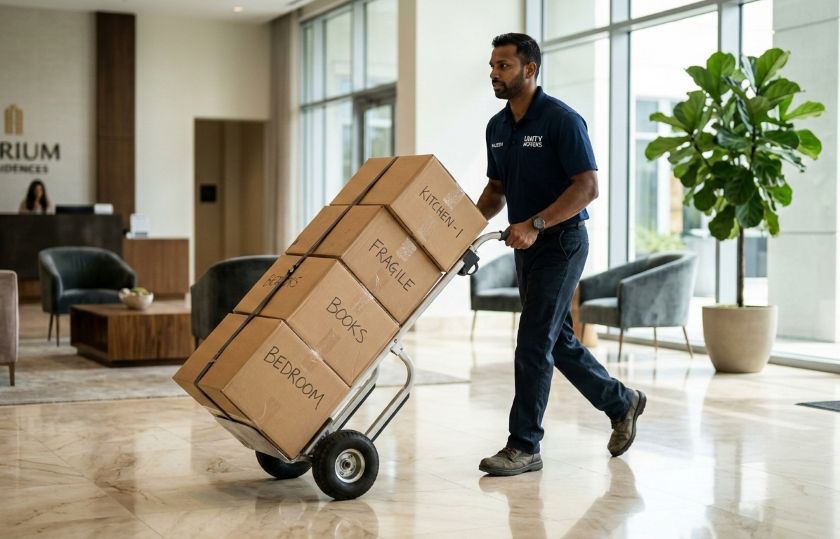
Something as simple as introducing work trolleys into a workflow can ease movement across tasks, improving efficiency without disrupting what already works. For those exploring practical options, collections such as https://www.tools.unipac.com.au/collections/trolleys offer a straightforward place to start.
Sometimes, clarity appears when complexity is removed. Simplicity tends to stay longer than expected.
A More Thoughtful Way to Use Tools
Work continues to evolve. There’s a growing understanding that tools should support people—not force people to adapt.
In the past, individuals adjusted themselves to fit inefficient systems. Now, systems are being shaped to feel intuitive from the start. Function alone isn’t enough—what matters is how well a tool fits within its environment.
Simplicity leads the way here. What works matters more than what’s new. Solutions should reduce friction, not add to it.
This mindset gradually shapes better decisions—not just in choosing tools, but in designing how work itself is carried out.
The Human Side of Smarter Operations
Behind every system or process is a person. Even as workplaces become more advanced, human experience remains at the center.
When tasks feel easier, attention sharpens. Movement flows more naturally, and errors become less frequent. The pace settles into something steady and sustainable. What once caused fatigue begins to fade into the background.
This shift doesn’t demand more effort—it thrives on clearer thinking. Instead of force, precision leads the way.
Looking Ahead
Faster isn’t always better. What matters now is how smoothly tools fit into real workdays. Over time, the idea of progress continues to evolve—shaped more by human needs than by output alone.
Sometimes, a single detail can change everything. Good flow doesn’t happen by chance—it appears when decisions are made with intention. What matters is how each element fits, even the ones that go unnoticed.
Smarter ways of working begin where care meets structure.
In the end, better results don’t always come from doing more. Often, they appear when the approach simply makes more sense.


