
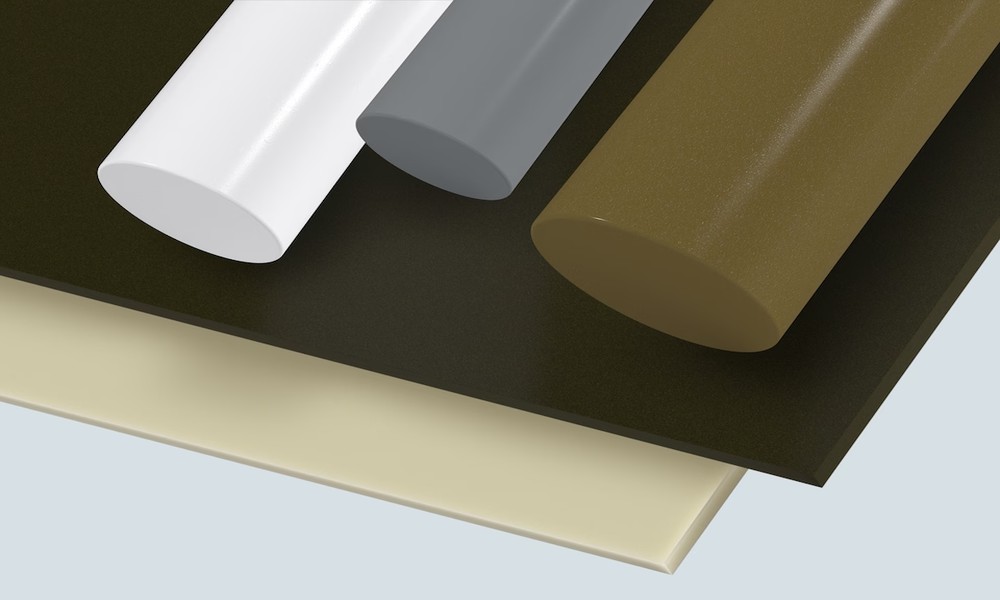
Static sounds small. Like something you ignore. But in manufacturing, especially with electronics, it quietly messes things up. Not always instantly. Sometimes damage shows later, which makes it even more annoying to track. You might think everything is fine during production, and then later a component just fails. No clear reason.
That is usually where esd plastic starts to make sense, because it is not about fixing damage it is about not letting it happen in the first place. And honestly, static builds up more easily than people expect. Just movement. Friction. Even normal handling.
Where this material is commonly used
You will see it mostly in places where things are delicate. Electronics, semiconductor setups, medical equipment manufacturing. That kind of space. Anywhere small errors matter.
It shows up in:
- trays holding circuit parts
- machine components touching sensitive items
- work surfaces where assembly happens
- covers or shields inside equipment
Not everything needs it though. Some setups are fine without it. But once failure rates start creeping in people usually rethink that.
Key properties that make it reliable
It is not like metal. Not like normal plastic either. It sits somewhere in between. Instead of holding static like regular plastic, it slowly releases it. Not instantly, not aggressively. Just controlled.
That balance is the whole point.
- it does not trap charge
- it does not suddenly discharge
- it stays stable even after repeated use
- it handles pressure and wear pretty well
Still, performance can vary depending on conditions. Humidity, temperature… those things do play a role sometimes.
Differences compared to regular plastic materials
Regular plastic is cheap and easy. That is why it is everywhere. But it builds static. And keeps it. That is the problem.
With controlled materials, the behavior changes:
- static does not stay trapped
- discharge happens gradually
- surface behavior is more predictable
- long term use is more consistent
It is not always about replacing everything. Sometimes just switching a few critical parts makes a difference.
Practical situations where it performs better
Think about assembly lines where boards are handled constantly. Picked up, placed down, moved again. Each step adds a bit of static. Not huge, but enough over time. So instead of one big failure, you get small issues here and there. Hard to explain ones.
Using the right material reduces that background noise. Not completely gone. But noticeably better. And in automated systems yeah, it helps even more. Machines do repetitive actions, and static builds faster than people expect in those setups.
Choosing the right type based on application
This part is never one size fits all. Some setups need strong control. Others just need basic protection.
- high precision electronics need tighter control
- general manufacturing can work with moderate levels
- harsh environments might need extra durability
And people do change their choice later. That happens a lot actually. Start simple. Then upgrade after issues show up. Or plan properly from the start. Both happen.
At the end of the day, using esd plastic is less about adding something new and more about removing a problem you may not even see clearly yet.